
Professional stage rigging – what really ensures safety?
The modern stage industry requires solutions that combine safety, durability, and aesthetic design. This applies to theatres, concert stages, television productions, as well as events and stage installations. Products from the Blackline range are designed for applications where technical equipment should remain as discreet as possible while still meeting the highest safety standards. Their matte black finish makes Blackline rigging components practically invisible to the audience and prevents light reflection, allowing full focus on the stage design and the event itself.





Blackline Solutions – Safety, Aesthetics, and Control of Detail
The Blackline range is our solution designed for the most demanding applications in the stage and event industry, where every element of an installation must combine the highest safety standards with full visual control. Blackline products are developed to meet the real needs of professional productions. The matte black finish eliminates light reflections, ensuring that rigging components remain almost invisible on stage and do not interfere with the audience’s experience. At the same time, high-quality workmanship and durable materials guarantee reliability even in intensive and demanding working conditions.
It is a solution that provides full control over every detail—both technical and aesthetic. Blackline enables the creation of suspension systems tailored to professional productions, where safety, functionality, and appearance must go hand in hand.

Stages and Live Productions
Blackline solutions for stage rigging – safe lifting of scenery, lighting, and audio systems while maintaining maximum aesthetics.

Concerts and Music Events
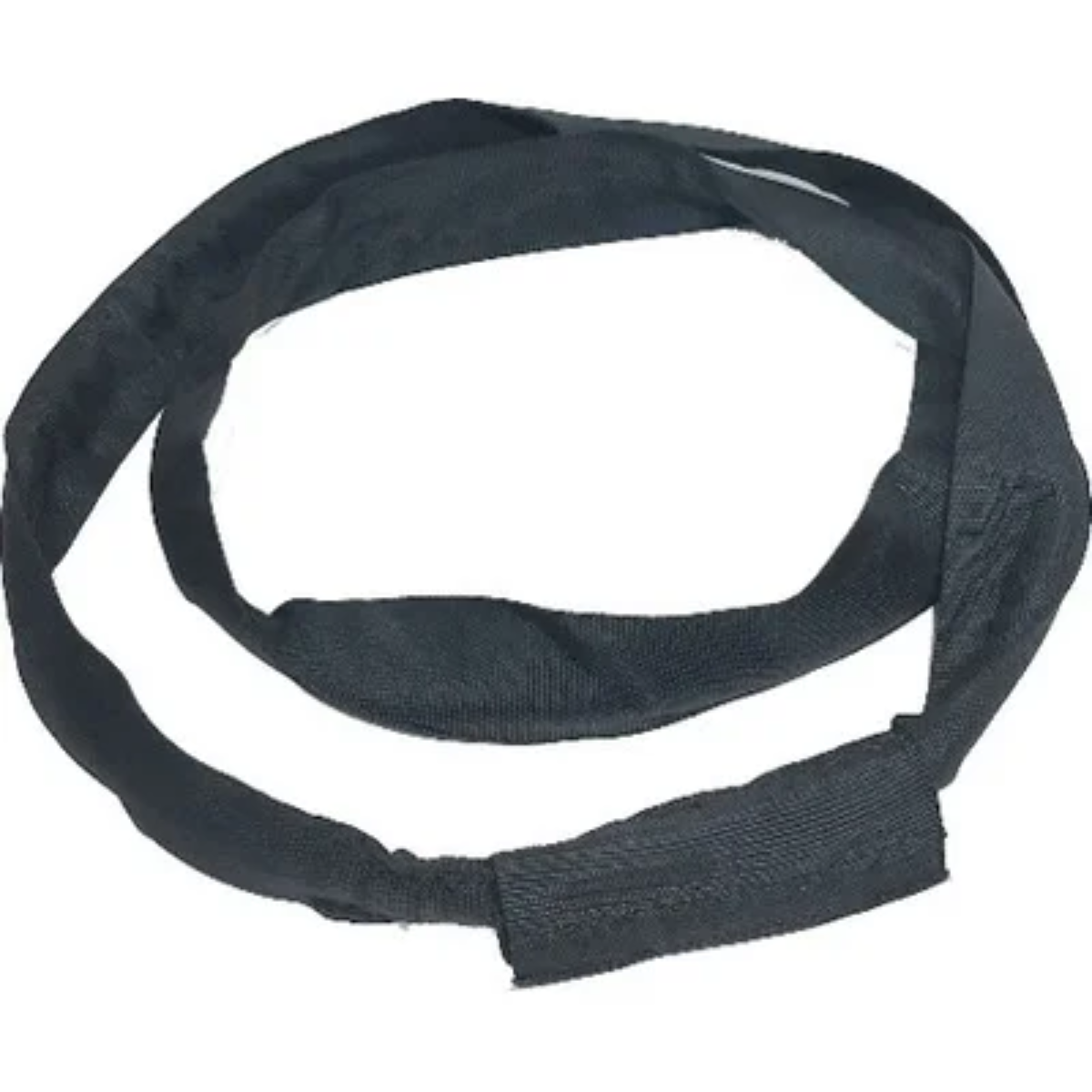
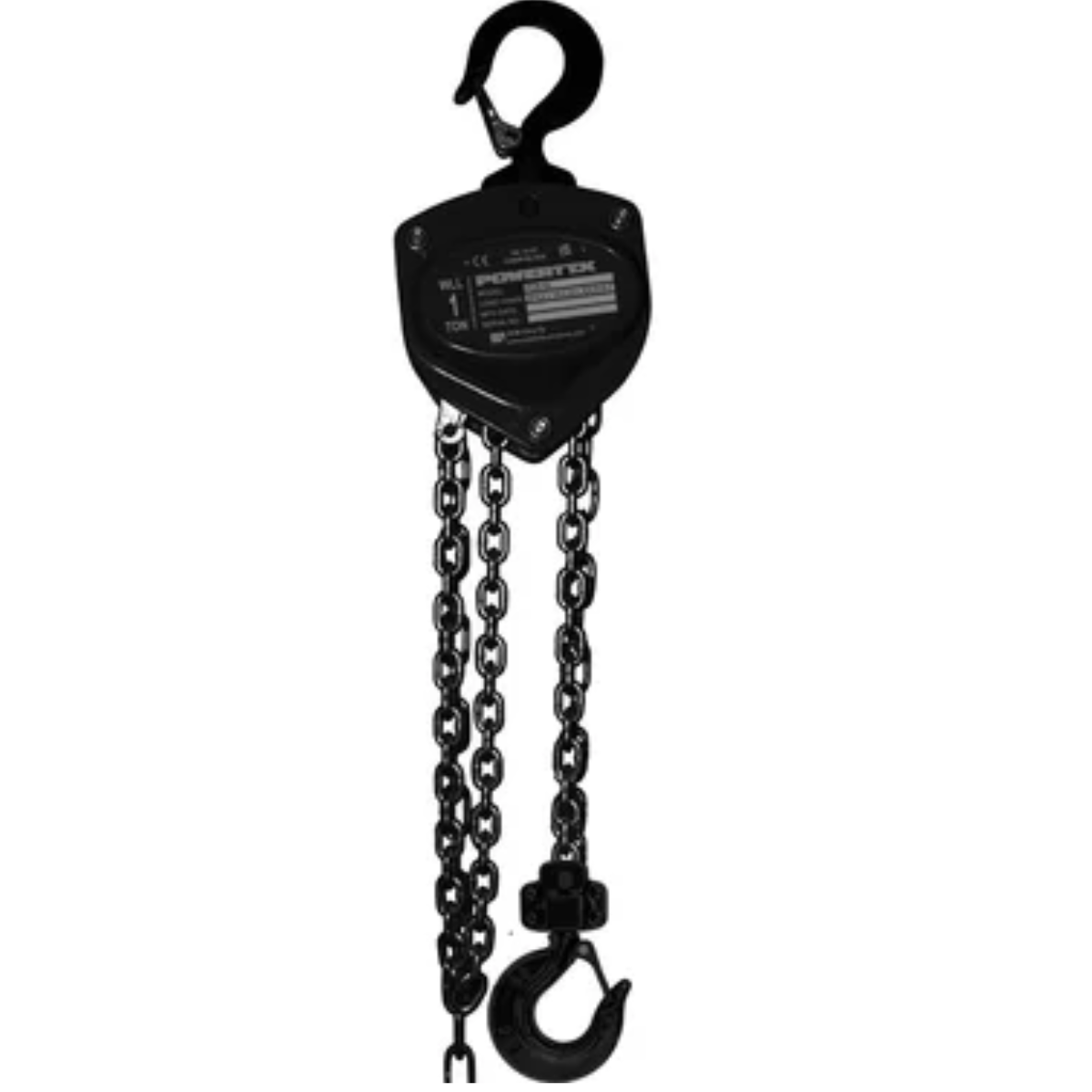
Durable stage slings and chain hoists for installing lighting and audio systems – reliability and safety during live performances.

Exhibition and Event Spaces
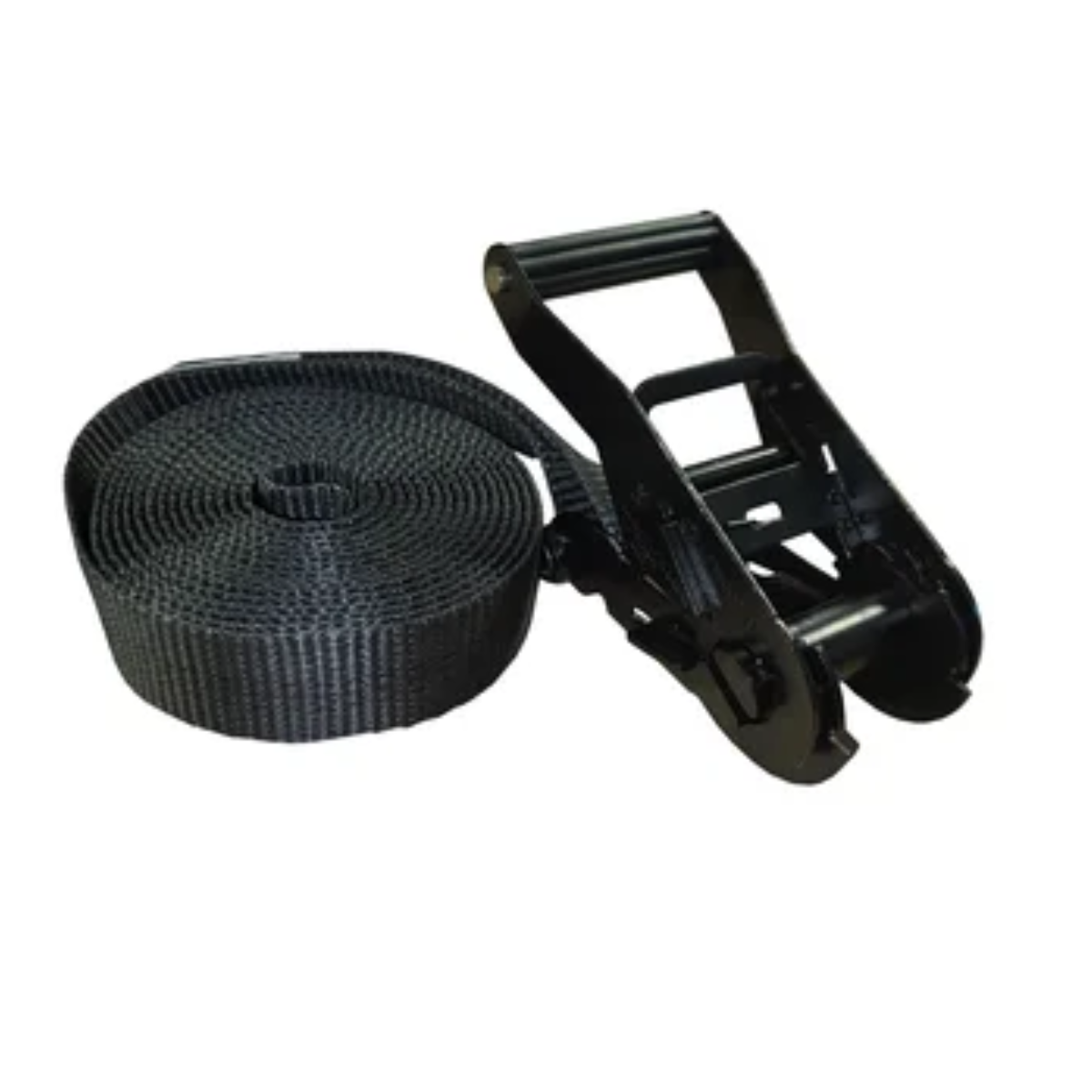
Discreet Blackline lashing systems for installing lighting and AV equipment in modern event environments.

Military and Industrial Applications
Discreet black webbing and securing systems from the Blackline range – effective equipment concealment and reliable performance in demanding conditions.

Key Elements of a Rigging System
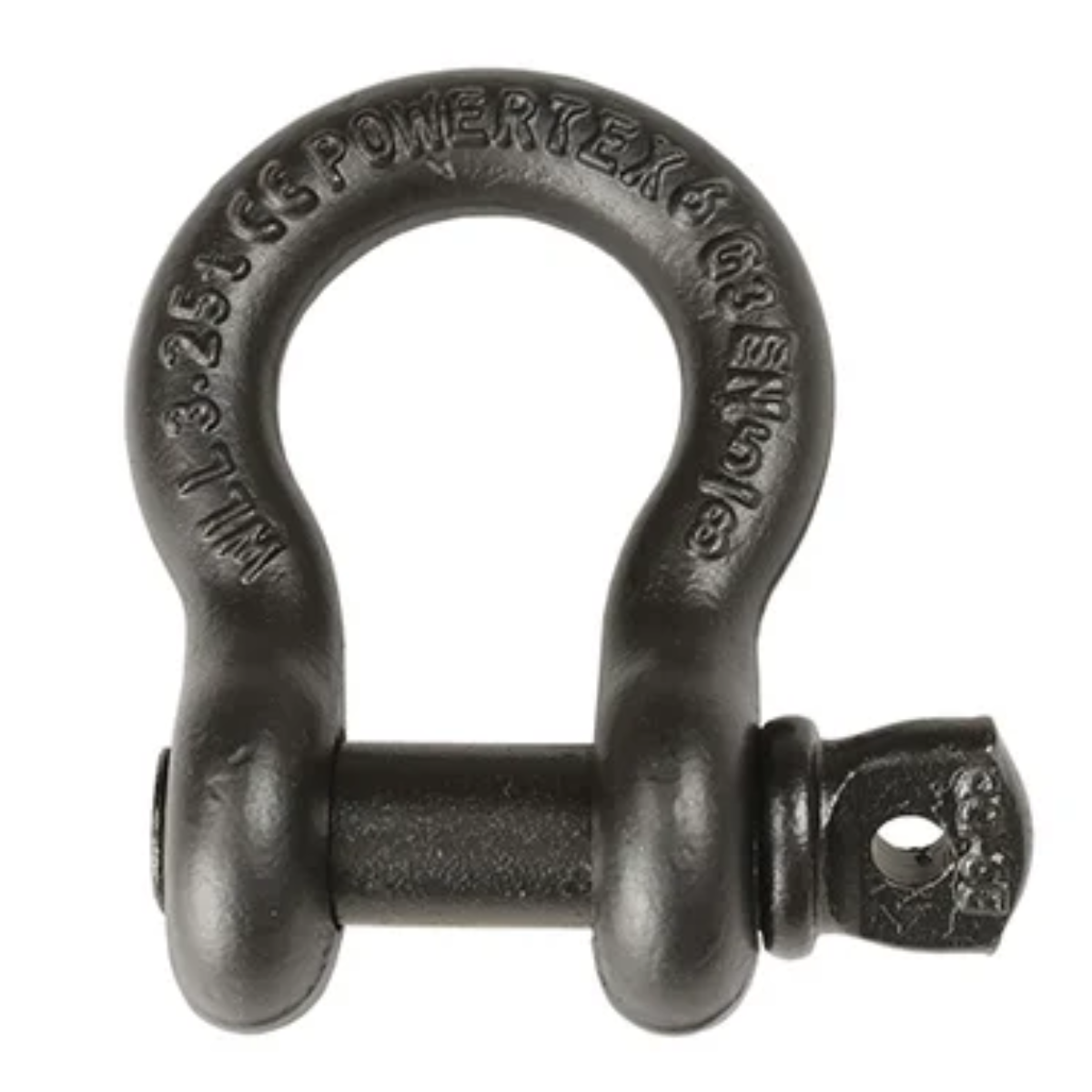
A stage suspension system consists of many cooperating components that together create a safe and stable structure. The most important elements include stage slings, used for suspending and stabilizing structures, chain hoists that enable controlled lifting and lowering of elements, and connecting hardware such as shackles and couplers, which ensure durable and secure connections.
An important role is also played by lashing systems and securing solutions, which increase stability and protect the installation from uncontrolled movement. Each of these components must be properly selected for the specific application, as even the smallest element has a direct impact on the safety of the entire system.
Zawiesia sceniczne Steelflex


WLL – The Fundamental Safety Parameter
One of the key parameters in stage rigging is the WLL (Working Load Limit)—the maximum permissible load at which a given component can operate under normal working conditions.
This value is always lower than the breaking strength, as it takes into account the safety factor and real working conditions. In practice, this means that every component used in a suspension system must have a clearly marked WLL and proper certification confirming its parameters.
In professional stage productions, the use of unmarked or uncertified equipment is not acceptable. Safety is based on precise data—not on assumptions or rough, experience-based estimates.


Loads in Rigging – It’s Not Just About Weight
Stage systems operate under various types of loads that directly affect the safety of the structure. Static loads result from the weight of suspended elements and act continuously, while dynamic loads occur during movement—such as lifting, lowering, or operating stage effects.
Dynamic loads present the greatest challenge, as momentary forces can significantly exceed the actual weight of the equipment. For this reason, the design of suspension systems must account for appropriate safety factors and real working conditions.
Suspension Points and Load Distribution
In stage rigging, both single suspension points and more complex multi-point systems are used, particularly in truss structures and stage constructions. In theory, loads should be evenly distributed, but in practice, this is almost never the case.
Even small differences in sling lengths, hoist positioning, or equipment placement can lead to overloading of a single point. For this reason, every system should be individually designed, and its configuration carefully analyzed.


Common Mistakes in Rigging
One of the most frequent mistakes is assuming that the load is evenly distributed across suspension points. In practice, such simplifications can lead to overloads and serious hazards. Another common oversight is ignoring the weight of additional equipment,such as cables or mounting components, which can significantly increase the total load.
The use of uncertified equipment and failure to account for dynamic loads are also major issues. In professional rigging, there is no room for simplifications—every element must be included in the design and carefully calculated.


